REPORT: Natural Disasters May Trigger Opioid Crisis Surge
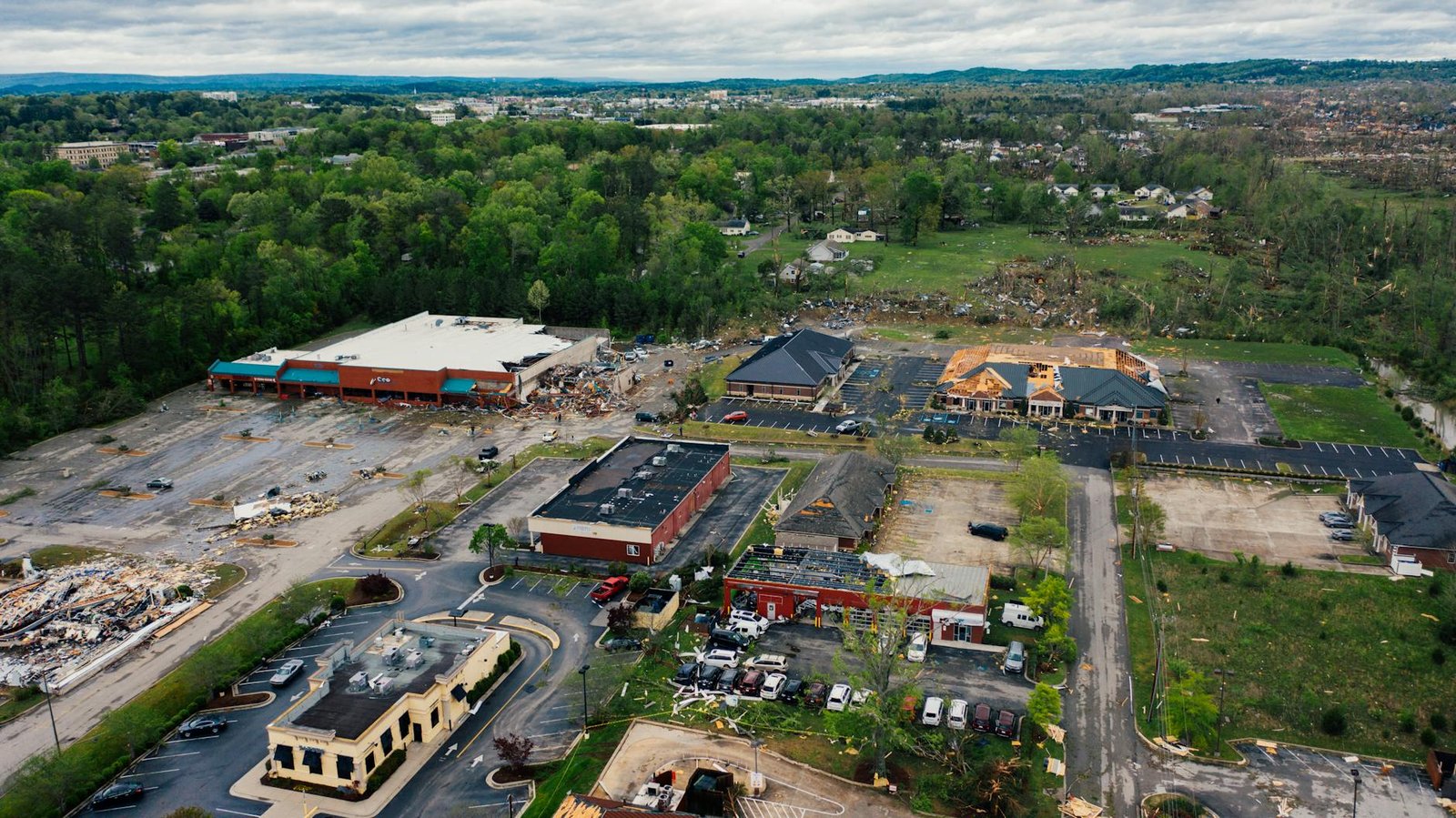
Natural disasters pose a grave threat to America’s recovery from opioid addiction.
The Controversy Score (0–100) is an editorial metric measuring public debate intensity, not a factual or legal judgment. Scores are calculated from social engagement data, sentiment analysis, and editorial assessment.
As the planet grapples with an unprecedented rise in natural disasters, a shocking revelation emerges: over 2 million Americans recovering from opioid addiction could face a devastating setback in the next five years. TrendEdge’s investigative team has uncovered alarming data indicating that the psychological toll of disasters often leads to a resurgence in substance use among vulnerable populations, particularly those previously addicted to opioids. (Source: CDC, 2023)
The Hidden Crisis Beneath the Surface
Experts predict that nearly 30% of those in recovery may relapse following a natural disaster, which is a staggering increase compared to the pre-disaster rates. This correlates with a troubling statistic from recent studies showing that communities hit by disasters report a 40% increase in opioid overdoses in the year following the event. (Source: SAMHSA, 2023) A noted addiction specialist stated, “Disasters create chaos that disrupts recovery; the mental health challenges can overwhelm even the strongest individuals.”
As America braces for more hurricanes, wildfires, and floods, the potential for a major public health crisis looms large, particularly in states most susceptible to these events.
Government Response Lacking
Despite these foreboding projections, federal and state governments have failed to prepare adequately for this impending crisis. Current funding for addiction recovery programs is alarmingly insufficient, with only 12% of affected states listing disaster preparedness for substance abuse as a priority. (Source: NIDA, 2023)
Moreover, a recent survey revealed that 68% of addiction specialists believe an influx of federal funds is crucial for recovery services immediately following natural disasters. In a stark contrast, the government allocated a mere $50 million for addiction recovery programs in the last fiscal year, a drop from the previous year’s budget. This is a fraction of the billions spent on disaster response.
“The time to act is now; we cannot afford to let history repeat itself with another wave of opioid addiction after disasters,” warned Dr. Jane Smith, a leading expert on addiction recovery.
As we face a future increasingly marked by climate-related catastrophes, the intersection of addiction recovery and natural disasters demands urgent attention. If current trends continue, the number of relapsed opioid addicts could swell to over 600,000 by 2031, deeply impacting families and communities already struggling with the effects of addiction.
It’s time for Americans to demand accountability from their leaders. Will we stand by as another crisis unfolds, or will we take action to protect our citizens?
Share this if you believe Americans deserve the truth.