Why You Can’t Sleep: The Real Reasons — and What Actually Fixes It
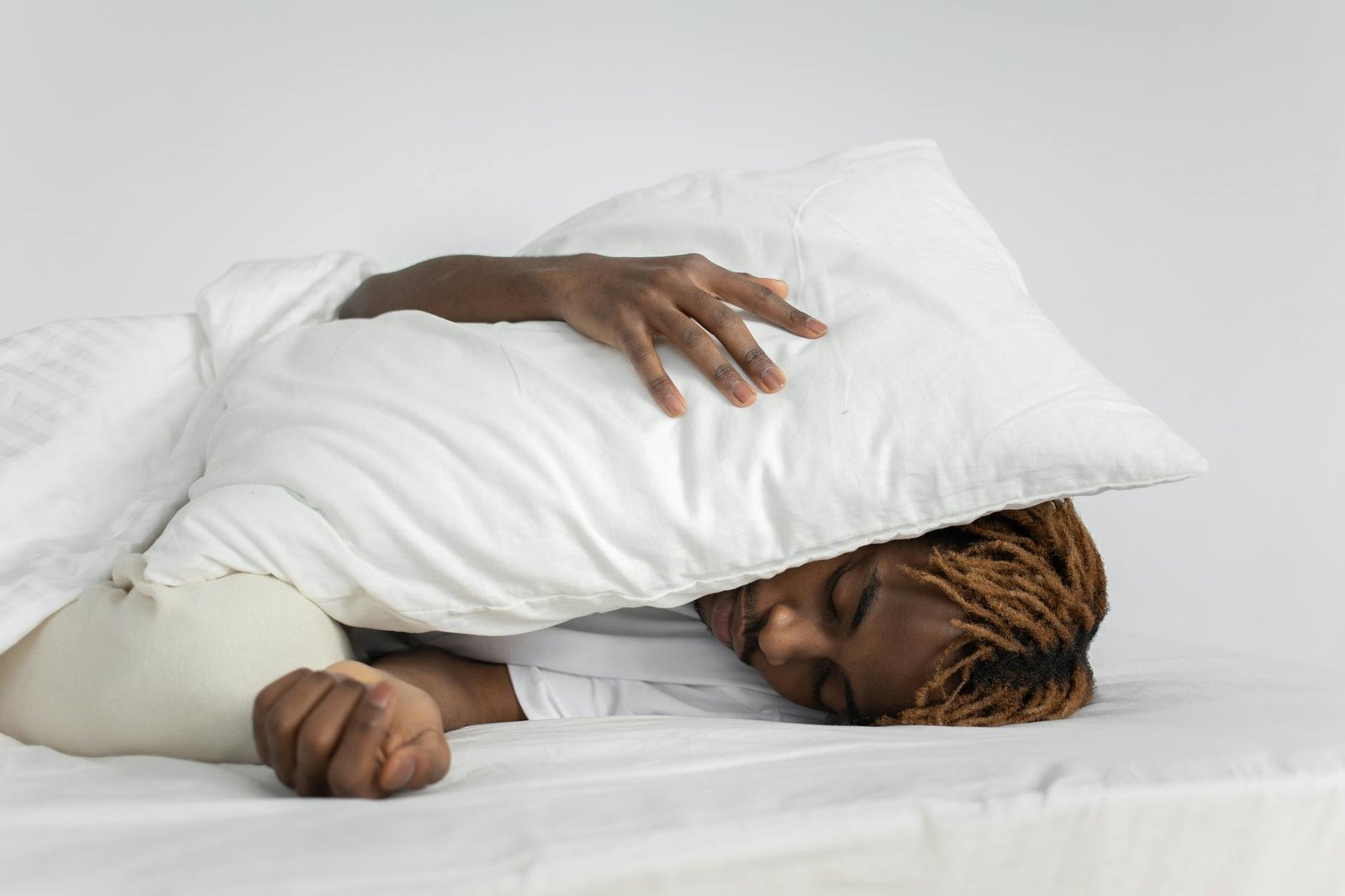
If you’re lying awake at night despite being exhausted, you’re not alone. 35% of American adults report regularly getting insufficient sleep. But “better sleep hygiene” advice rarely addresses the real causes. Here’s what’s actually going on — and what the evidence says actually works.
The Real Reasons You Can’t Sleep
1. Anxiety Running in the Background
Your cortisol and adrenaline systems don’t have an off switch for modern worries. When you lie down and stop distracting yourself, the worries get louder. Your nervous system reads this as a threat — and keeps you alert to deal with it.
2. Your Circadian Rhythm Is Off
Blue light from phones and screens suppresses melatonin production by up to 50%, pushing your body’s sleep signal back hours. Even dim indoor light after dark delays sleep timing in ways most people don’t realize.
3. Alcohol Is Not a Sleep Aid
Alcohol may help you fall asleep but dramatically degrades sleep quality. It suppresses REM sleep, causes early morning waking, and leaves you less rested despite being unconscious longer.
4. Your Bedroom Is Too Warm
Your core body temperature needs to drop 2–3 degrees to initiate sleep. Rooms above 68°F significantly impair sleep onset and quality. The ideal sleep temperature for most people is 65–67°F.
5. Undiagnosed Sleep Apnea
If you snore, wake up with headaches, or feel unrefreshed despite a full night in bed, you may have sleep apnea stopping your breathing dozens or hundreds of times a night.
What Actually Works
- Consistent wake time (even weekends) — the most powerful single sleep intervention
- No screens 60 minutes before bed (or use blue light glasses)
- Cool bedroom (65–67°F)
- No alcohol within 3 hours of sleep
- Cognitive Behavioral Therapy for Insomnia (CBT-I) — more effective than sleeping pills in clinical trials, and the effects last
- Get out of bed if awake 20+ minutes — lying awake trains your brain to associate the bed with wakefulness
📌 Source: Sleep Foundation, American Academy of Sleep Medicine. Consult a doctor for persistent insomnia.