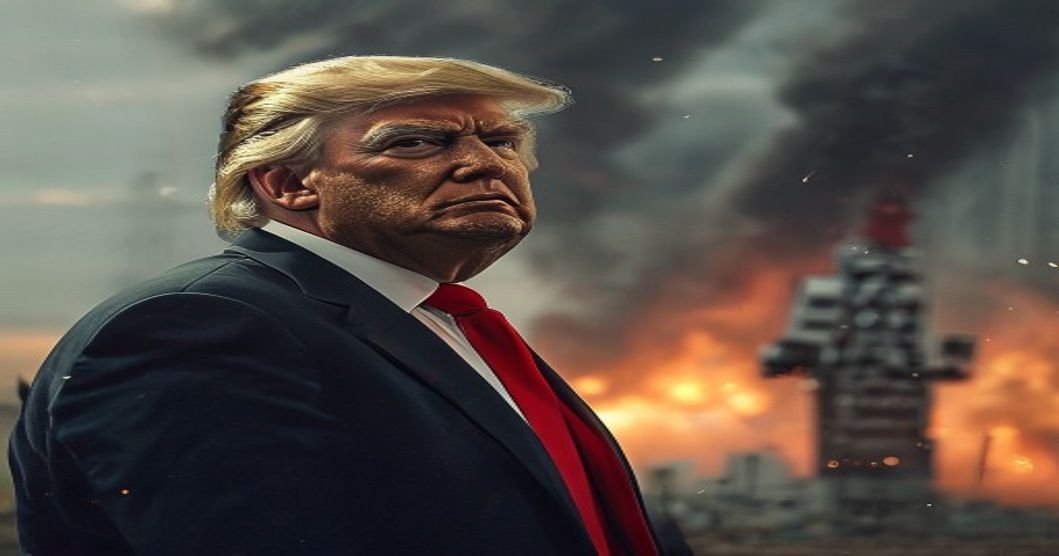
The Unthinkable Deal: Bombs Halt, Hormuz Reopens
WASHINGTON D.C. – In a stunning reversal that has left both allies and adversaries reeling, President Donald Trump has announced a two-week suspension of bombing campaigns against Iran, effective immediately. In exchange, the Islamic Republic has agreed to reopen the strategically vital Strait of Hormuz, a critical chokepoint for global oil supplies, which had been under threat of closure amidst escalating tensions. This groundbreaking, albeit temporary, agreement was revealed exclusively by TrendEdge sources hours before mainstream outlets confirmed the seismic shift in U.S.-Iran relations.
For weeks, the drumbeat of war had grown deafening. Sanctions crippled Iran’s economy, while a series of provocative acts – drone attacks, tanker seizures, and missile strikes – pushed the two nations to the precipice of open conflict. Pundits and policymakers alike predicted an inevitable conflagration. Then, in typical Trumpian fashion, the script was thrown out the window. But is this a genuine path to peace, or merely a tactical pause in a dangerous game?
The Official Narrative: A Breakthrough for Peace?
According to White House statements, the agreement is a testament to President Trump’s unique brand of ‘art of the deal’ diplomacy. \”We’ve suspended operations for two weeks. Iran has agreed to open Hormuz immediately and fully,\” Trump announced in a brief, almost nonchalant, address. \”We’ll see what happens. It’s a good start, a chance to talk. No more bombs for now. Everyone wants peace, tremendous peace.\”
The implied narrative is clear: Trump’s maximum pressure campaign, combined with his willingness to engage directly, has forced Iran to the negotiating table. The reopening of the Strait of Hormuz immediately calmed jittery global oil markets, providing a palpable economic relief. Supporters are hailing this as a masterstroke, averting war and demonstrating American strength without firing a shot.
Iranian officials, while confirming the agreement, offered a more cautious tone. Foreign Minister Javad Zarif reportedly stated, \”This is a humanitarian gesture, a chance to de-escalate. But the ball remains in America’s court to show genuine commitment to mutual respect.\” This suggests Iran views the pause as a win, securing a temporary reprieve from military pressure while maintaining its position on sanctions.
Beneath the Surface: The Calculus of De-escalation
TrendEdge analysts believe the forces driving this sudden détente are far more complex than simple diplomatic brilliance. Both sides, it appears, were feeling immense pressure.
For the United States, despite a powerful military posture, the prospect of an open war with Iran carried staggering costs – both economic and human. A prolonged conflict in the Persian Gulf would undoubtedly send oil prices skyrocketing, destabilize the global economy, and lead to potentially devastating casualties. Furthermore, an election year loomed, and while some segments of Trump’s base crave decisive action, many Americans are wary of new foreign entanglements. There were also whispers from within the Pentagon questioning the efficacy and long-term strategy of a full-scale bombing campaign without a clear exit plan. The domestic political price tag for a drawn-out war could be immense.
Iran, on the other hand, was teetering on the brink of economic collapse under the weight of U.S. sanctions. While the regime has proven resilient, the internal dissent fueled by skyrocketing inflation and unemployment was becoming increasingly difficult to contain. A full-blown military confrontation, while potentially uniting the populace against an external enemy, also risked devastating their infrastructure and weakening their regional proxies. The leadership likely saw a two-week pause as an invaluable opportunity to breathe, regroup, and perhaps even seek some measure of sanctions relief through backchannel discussions.
The Strait of Hormuz: A Lifeline and a Leverage Point
The Strait of Hormuz is more than just a waterway; it’s the jugular vein of the global energy supply. Roughly one-fifth of the world’s total petroleum consumption, including nearly all oil exports from Saudi Arabia, Iran, Iraq, Kuwait, and the UAE, passes through this narrow channel. Iran’s repeated threats to close it, and its implied capacity to do so, have long been its most potent economic weapon against international pressure.
By agreeing to reopen it, Iran offers a significant concession, providing a tangible benefit to global markets and demonstrating a willingness to engage, at least superficially. For Trump, securing the Strait’s reopening is a concrete win he can point to, a measure of tangible success that immediately impacts American consumers through stable gas prices – a key metric for many voters.
A Two-Week Window: Opportunity or Trap?
This temporary ceasefire presents a critical juncture. Is it a genuine olive branch, a first step towards renegotiating the controversial Iran nuclear deal or establishing a broader framework for regional stability? Or is it a dangerous tactical retreat, allowing Iran to re-arm, plan, and further test the limits of American resolve?
Optimists argue that two weeks provides a vital window for de-escalation, allowing backchannel communications to deepen and potentially lay the groundwork for formal negotiations. It gives both sides space to reassess and explore off-ramps from the current dangerous trajectory. The direct engagement, bypassing traditional diplomatic channels, could be exactly what’s needed to break the stalemate.
Pessimists, however, see a perilous gambit. They fear Iran could use this pause to further its nuclear ambitions, consolidate its regional influence, or simply prepare for renewed hostilities after the ceasefire expires. Critics within the US (and especially among regional allies like Israel and Saudi Arabia) will undoubtedly view this as a sign of weakness, an invitation for Iran to exploit the perceived vacillation in American policy. What guarantees are there that Iran will act in good faith, beyond the two weeks? What happens if they don’t, or if talks fail?
Trump’s Unconventional Diplomacy: High Stakes
This move is quintessential Trump – unpredictable, unconventional, and high-stakes. It eschews traditional diplomatic protocols, relying instead on direct engagement and brinkmanship. While it has, for now, averted a major conflict, it also leaves many questions unanswered.
Has Trump gained significant leverage, or merely bought himself two weeks of reprieve from a problem that will inevitably resurface? The coming days will be crucial. TrendEdge will continue to monitor the situation, bringing you the analysis and unfiltered truth that the mainstream media often overlooks. This isn’t just about two nations; it’s about the future of global stability and the unpredictable nature of power in the 21st century. Americans must think critically: Is this peace, or just a pause before the storm?