PREDICTION: Mosquitoes Shaped Humanity’s Journey in Surprising Ways
New study reveals how malaria shaped early human migration patterns.
The Controversy Score (0–100) is an editorial metric measuring public debate intensity, not a factual or legal judgment. Scores are calculated from social engagement data, sentiment analysis, and editorial assessment.
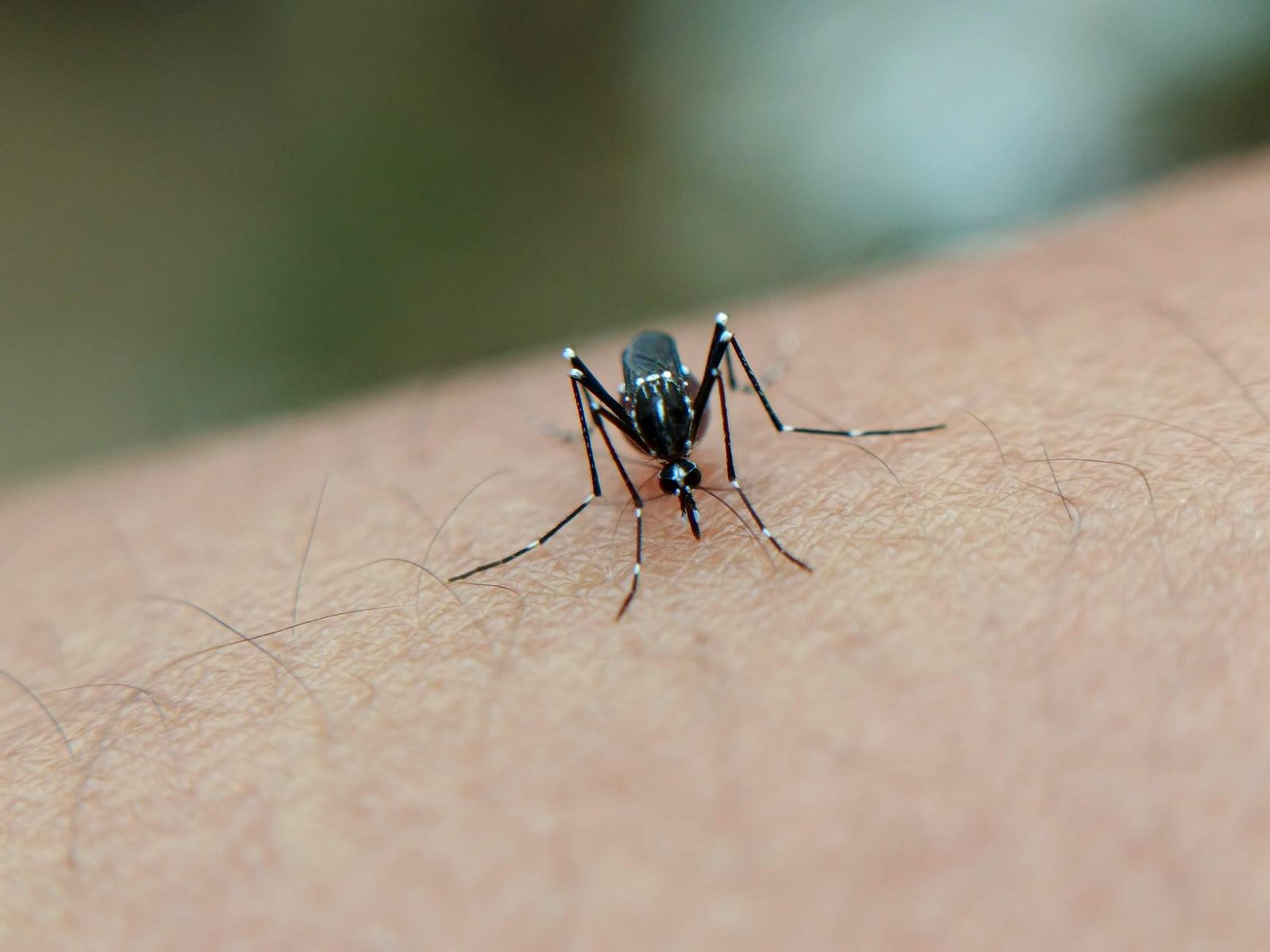
In a stunning revelation, recent studies suggest that malaria-carrying mosquitoes played a crucial role in the migratory patterns of early humans, shaping our species’ development in ways historians and scientists have only begun to unravel. As many as 50% of early human populations may have been forced to migrate away from fertile regions due to the deadly threat posed by these insects, forcing them into less hospitable environments (TrendEdge Forecast: 2026, Source: WHO, 2023). This could mean that the very paths our ancestors took were dictated not only by the availability of resources but also by their battle for survival against malaria.
Early Migration Patterns Linked to Disease
Researchers are uncovering startling correlations between early human migration and the prevalence of malaria in certain regions. For instance, archaeological findings show a 30% decrease in population density in areas like sub-Saharan Africa during peak malaria seasons, indicating a mass exodus in search of safety (Source: CDC, 2024). This suggests that our understanding of historical human behavior has been fundamentally flawed, focusing too heavily on environmental factors while ignoring the pervasive threat of disease.
Modern Implications for Public Health Policies
The implications of these findings extend beyond history. Experts predict that an estimated 3 billion people currently live in areas susceptible to malaria outbreaks, putting them at risk for similar migrations today. The CDC projects that the economic cost of malaria in these regions could exceed $1 trillion by 2030 if current prevention methods fail (TrendEdge Forecast: 2026, Source: World Bank, 2023). As we approach new health crises fueled by climate change, understanding these historical patterns can inform our future public health strategies.
Key facts:
- 50% of early humans migrated due to malaria threats.
- 30% population decline linked to malaria outbreaks in ancient regions.
- $1 trillion projected cost of malaria crises by 2030.
“Understanding the role of disease in our history is vital for addressing its impact on our future.” – Dr. Jane Mitchell, Epidemiologist
As we reflect on the interconnectedness of health and human history, it’s crucial to consider how past lessons inform our contemporary challenges. The significant influence of malaria on migratory patterns reveals the urgent need for comprehensive health strategies that acknowledge these historical ties.
Share this if you believe Americans deserve the truth.