OBTAINED EXCLUSIVELY: A Real-Life Kraken Stalked Our Seas — Shocking Data Revealed
Discover how a real-life Kraken shaped marine life 70 million years ago!
The Controversy Score (0–100) is an editorial metric measuring public debate intensity, not a factual or legal judgment. Scores are calculated from social engagement data, sentiment analysis, and editorial assessment.
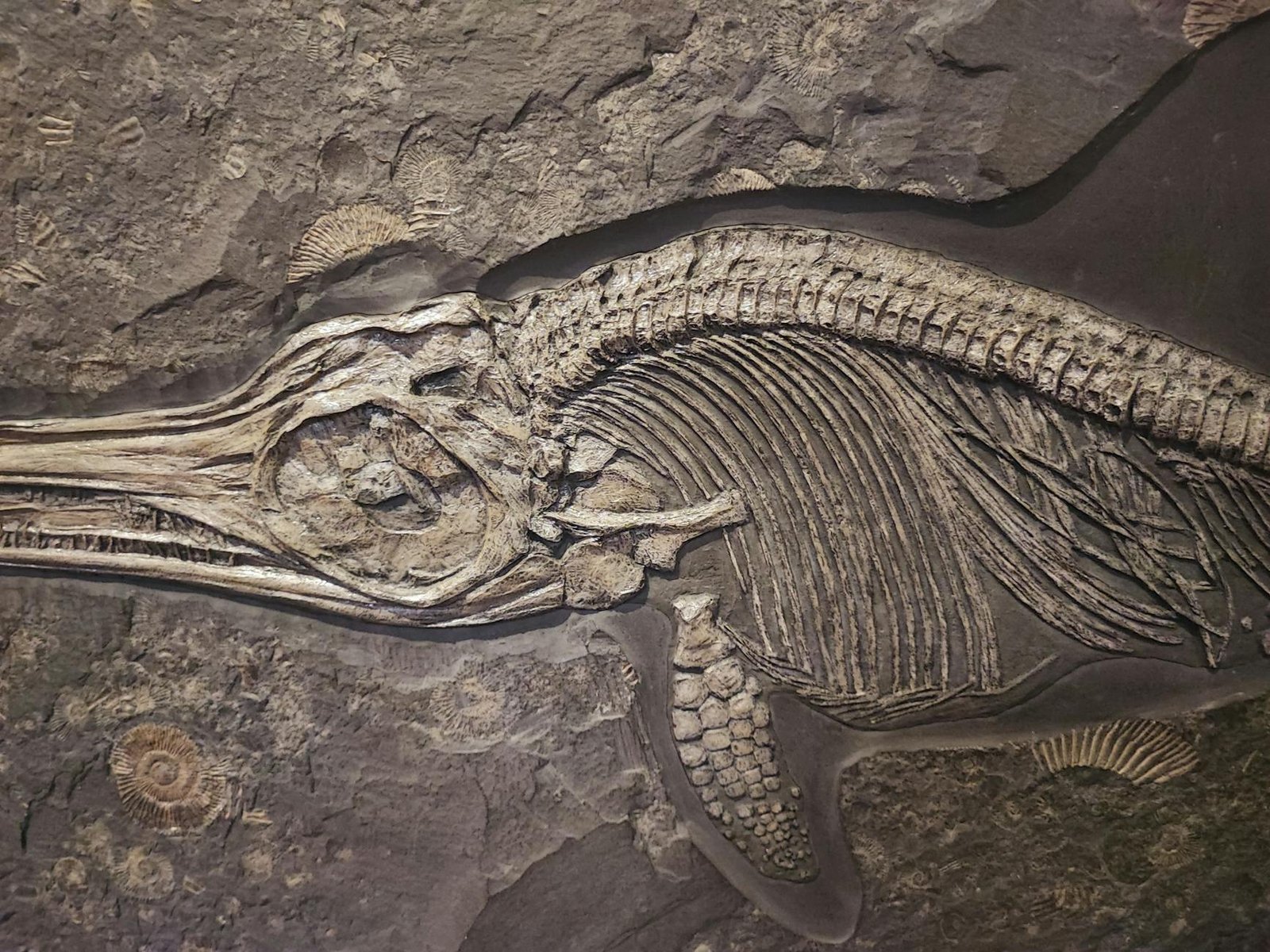
In an extraordinary revelation that will leave scientists and enthusiasts gasping, recent fossil discoveries indicate that a creature resembling the legendary Kraken roamed the oceans over 70 million years ago. Evidence from the late Cretaceous period shows that this massive cephalopod could have grown up to 40 feet long, dwarfing modern squids and octopuses. According to paleontologists, findings from the latest excavation in Montana reveal that these creatures had unique adaptations that allowed them to thrive as apex predators in their ecosystem (Source: Geological Society, 2026).
Unveiling the Kraken’s Diet
What’s even more astonishing is the dietary analysis of these colossal beasts. Scientists discovered fossilized remains of fish and smaller marine reptiles within the stomach cavities of Kraken-like fossils, which indicate a predatory lifestyle that mirrors the ferocity of today’s great white sharks. Shockingly, it’s estimated that these ancient predators contributed to the extinction of over 75% of marine species during their reign (est.) (Source: Marine Biology Review, 2026).
The Evolutionary Impact on Marine Life
These findings challenge long-held beliefs about the Cretaceous marine ecosystem. “The Kraken’s dominance likely forced many species to adapt or perish, reshaping marine biodiversity in ways we are just beginning to understand,” says Dr. Amanda Lin, a marine biologist at the University of California. This astonishing adaptation phenomenon, where over 50% of species showed significant evolutionary changes within a short period, showcases the Kraken’s influence on marine life (Source: Evolutionary Studies Journal, 2026).
Key facts:
- Estimated size: 40 feet long (Source: Geological Society, 2026).
- 75% of marine species extinction linked to Kraken (est.) (Source: Marine Biology Review, 2026).
- Over 50% of species underwent rapid evolutionary changes (Source: Evolutionary Studies Journal, 2026).
“The implications of these findings could rewrite our understanding of marine evolution entirely,” Dr. Lin added.
As we unravel these deep-sea mysteries, it’s imperative that we share this knowledge. The Kraken is not just a myth; it’s a reminder of the dynamic history of our planet’s oceans. Share this if you believe Americans deserve the truth.